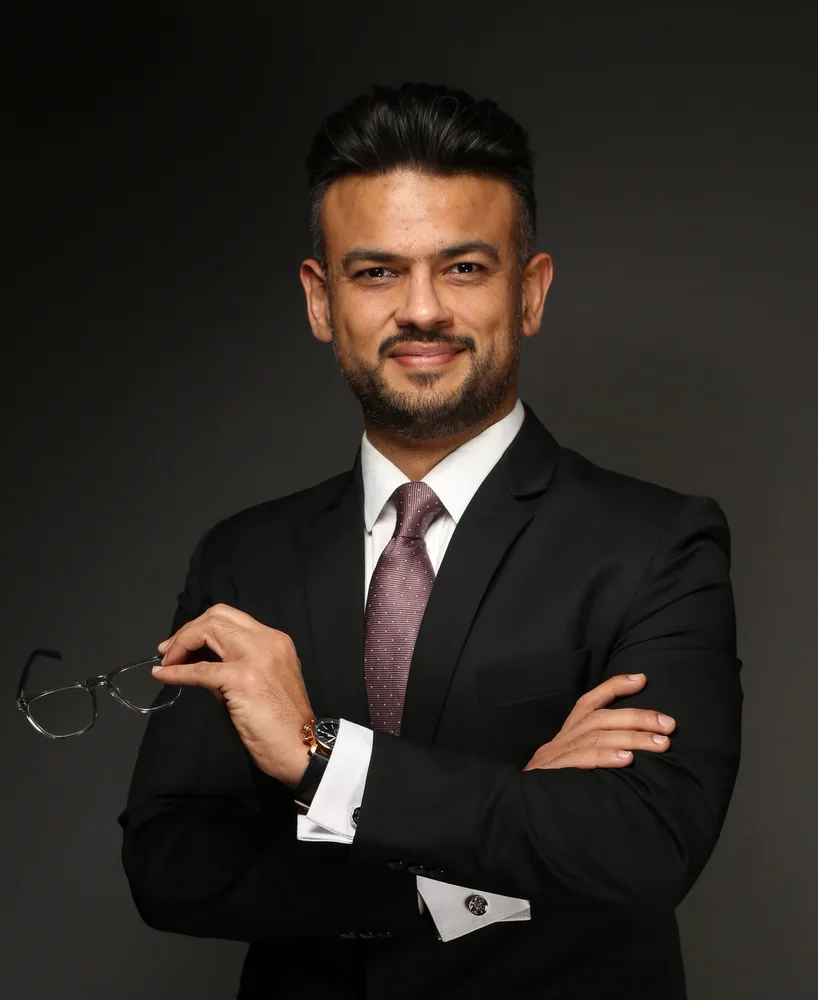
I lived in this city. I came back last week.
When I pulled into Le Havre and stepped out of the car, I expected to feel like a tourist. I didn't. I felt like someone who had stepped out for a coffee and come back ten years late.
The smell of the sea was the same. The light off the water at the port was the same. The particular grey-blue of a Normandy afternoon, the way the wind moves through the rebuilt centre. All of it sitting exactly where I had left it.
And then, slowly, the differences started showing up.
The city had moved on without me
Small things first. New cafes where old ones used to be. A different rhythm to the streets. The accumulated, ordinary shifts that ten years of a city living its life will produce.
Then bigger things. The plant where I had worked, Dresser-Rand, had closed its Le Havre operations. The site is quiet now. But a few minutes away, Siemens Energy had built up a new presence in the same industrial corridor. The work hadn't disappeared. It had changed hands, changed names, changed shape. The skyline kept moving.
I stood near my old workplace for a long time. Not sad. Not nostalgic in the way I had expected. Just aware that the place I came to as a young finance analyst no longer existed in the form I remembered, and that this was the most ordinary thing in the world.
If any part of this story resonates with where you are right now, I would love to hear yours.
Book a free discovery callWhat I finally did
There is a place every guidebook tells you to visit when you live in Normandy. Mont Saint Michel. A short trip from Le Havre. A weekend if you want it to be.
I never went.
For two whole years I lived close enough to drive there on a weekend and I never made the time. Work was busy. Then it was winter. Then I was preparing to leave. Then I had left.
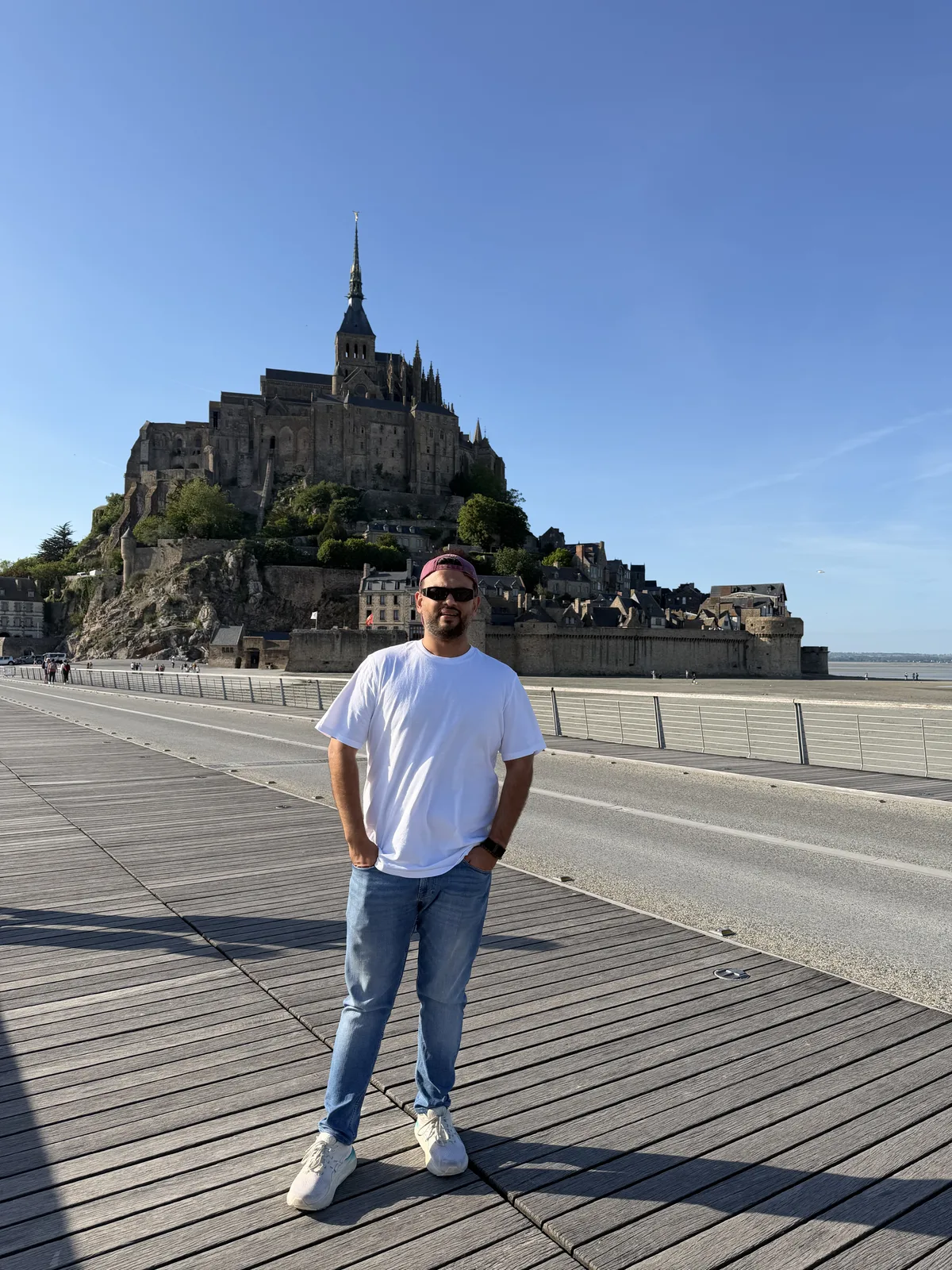
Ten years later, on this trip, I finally went. I stood on the causeway and watched the tide pull back from the abbey and I thought, you idiot. It was right there. You had two years.
That is the kind of regret you only earn by leaving and coming back.
What didn't change
The city had moved on. So had I. But the thing the city had done to me had not moved at all.
I had come to Le Havre as part of a management acceleration programme. Two years. Real work, real budgets, real responsibility, sitting inside a French industrial company. I learned what a French working week actually feels like from the inside, which is not what any classroom had prepared me for.
I learned how French colleagues separate the disagreement from the relationship. They will argue with you in a meeting and then go to lunch and never reference the argument again. I had grown up in a working culture where conflict bled into everything. Watching people fight cleanly and then move on was a quiet kind of revelation.
I learned that efficiency in France does not look like efficiency in India or efficiency in Dubai. It looks like protected boundaries and then non-negotiable delivery. It looks like long lunches and then very focused afternoons. I had been taught that working longer meant working better. I learned that working differently meant working better.
I learned how things get resolved when nobody in the room is in a hurry to be the one who is right.
When I came back to Dubai, I was a different professional. Not because I had a fancier CV. Because those two years had rewired how I read situations. The same rewiring shows up now in every coaching conversation I have about who you become inside a company.
What the programme actually did
That stretch cost the company a lot. Salary, relocation, training, mentorship, the time of every senior person who had to slow down and bring me along. It was not a small investment.
And here is the part I want senior leaders to sit with.
We are in a season of cutting. Headcount, training budgets, international rotations, mobility programmes, leadership pipelines. Everything is being run through the same filter. Does this make sense on the P&L. Does this pay back in the current quarter. Does this justify itself in a board meeting next month.
Most development investments will fail that test. Most of mine would have.
But I am writing this post a decade after a company spent money sending a young Indian finance analyst to Le Havre, and I am still drawing on what those two years built in me. Every coaching conversation I now have with a senior executive about identity, about working across cultures, about what it means to grow up inside a company, traces back to that time.
The return on a stint like mine does not arrive in the quarter it was spent. It arrives a decade later, in the work of a person who is no longer on the payroll, in a different country, in a different industry. That is not a failure of measurement. That is the actual nature of investing in people.
The ask
If you are running a company that can still afford to do this, please keep doing it.
Send the young analyst to a different country. Fund the rotation that does not have a clean ROI. Pay for the programme that produces people who change careers in ten years and never make it back to your employee survey. The ones you develop will give back more than you can measure. Some will give back to you. Some will give back to a coach, a client, a colleague, a city. It all counts.
Lean is a verb worth respecting. But there is a difference between trimming fat and cutting bone. The development programmes are usually bone. They are slow, expensive, hard to defend in a spreadsheet, and the thing that makes your company a place where good people grow.
What I am taking home
I am back in Dubai now. The trip is done. The photos are sitting in a folder. The closed factory and the new Siemens building and the Etretat cliffs and the abbey on the rock are all just images now.
But the city did something to me last week that I did not expect.
It reminded me that ten years is not a long time. That investments compound quietly, in places you cannot see, in people you no longer track. That the version of you who showed up to a new country at the start of your career is still inside the version of you doing the work today. That you do not get to choose when an investment pays off, only whether you make it.
And it reminded me that Mont Saint Michel was always there. I just had to come back to find out I was the one who had not been ready.
The investments you make in people don't show up in this quarter's numbers. They show up ten years later, in someone else's life, in a city you may never see them in. Keep making them anyway.